Bambu Lab Launches P3C 3D Printer at Half the Price of Its Flagship
Bambu Lab introduces the P3C, a five-nozzle 3D printer priced at $1,149 that offers advanced multi-material features at half the cost of its flagship model, albeit with a manual filament loading system.
By Evelyn Hassan ·
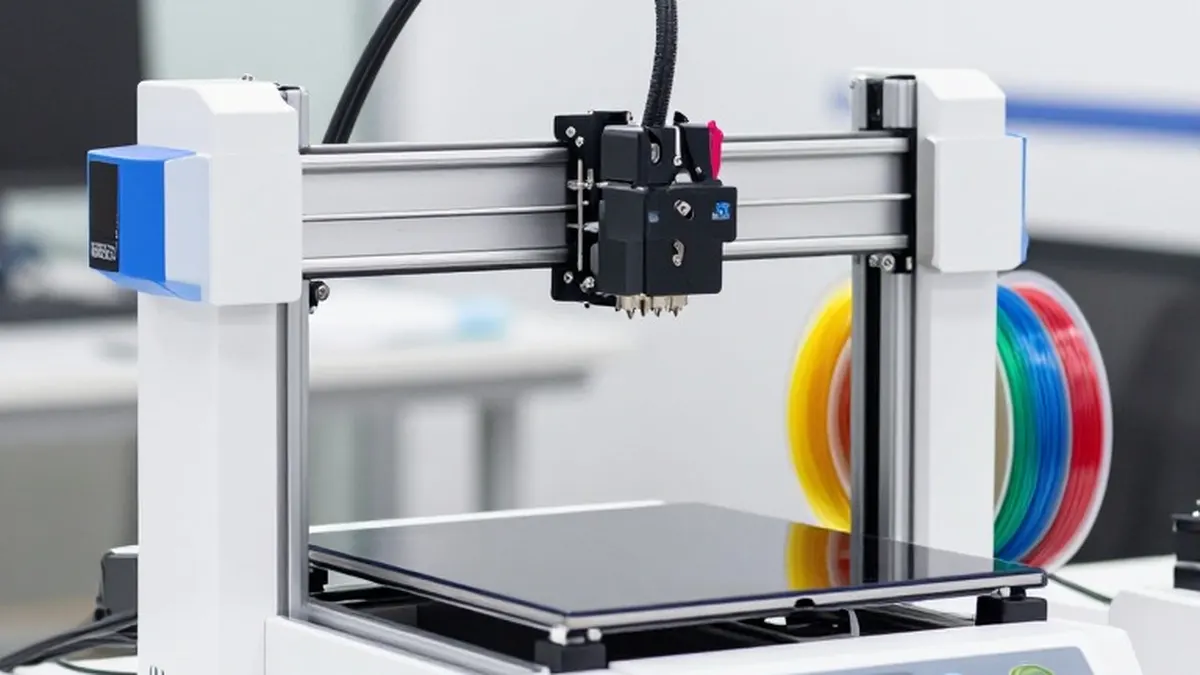
Bambu Lab has officially launched the P3C, a new five-nozzle 3D printer priced at $1,149. This release follows the introduction of the company's flagship H3C model just three weeks ago, which is currently priced at $2,499. By positioning the P3C at roughly half the cost of its larger counterpart, Bambu aims to make advanced multi-material printing accessible to a wider audience of hobbyists, small studios, and educational institutions.
Despite the lower price tag, the P3C retains many of the sophisticated features found in the H3C. The device allows users to swap materials on the fly, mix different colors to create a broad spectrum of the rainbow, and combine soft and hard materials. It also supports different nozzle sizes and filament diameters, enabling a switch between high-speed printing and fine detail within a single project.
However, achieving this lower price point required significant compromises. The print area is smaller than the H3C, measuring 256 x 256 x 260mm, which aligns with Bambu's other P-series printers. Additionally, while the H3C supports nine automatically swapping tools, the P3C supports seven. This number still exceeds the four tools typically offered by other affordable toolchangers such as the $849 Snapmaker U1.
A major structural difference is that the P3C does not come fully loaded with all possible tools. By default, it includes five 0.4mm print nozzles. While the machine has slots for seven rolls of filament and up to seven independent tools, including options for thicker 2.85mm filament, pens, cutting blades, and debossing tools, users must purchase additional printheads to utilize the full capacity. These extra heads can cost up to $100 each.
The most notable change for existing users is the removal of motorized filament loading from the automated material system, or AMS. This is the first Bambu printer to ship without motors that automatically load filament. Loading the nozzles is now a manual process that requires users to push filament through tubes by hand after preheating each nozzle. While this feels like a step back for some, the P3C does not require the time-consuming purging process between colors that is necessary for the P2S model.
Bambu Lab defended this design choice in a statement provided by spokesperson Karlie Hou. Hou explained that the AMS 3P design deliberately omits the auto-loading feature to offer premium multi-head performance at roughly half the price of the flagship H3C. The company stated that manual reloading of five nozzles should take around five minutes, with plans to reduce this hands-on time to under one minute in a future software update.
For many enthusiasts, the price point makes the P3C an attractive option, especially for those who have not written off the brand following recent issues with its open-source projects. The five included nozzles are sufficient to load all five rolls of Bambu's PLA Palette filaments in cyan, magenta, yellow, black, and white. This setup allows for color mixing to produce detailed creations, such as the company's new hummingbird test print, which reportedly came out almost flawlessly on the first try.
Nevertheless, the manual workflow places the device in tinkerer territory. Color mixing is not always foolproof for specific hues, such as the brown required for the hummingbird's perch in the test print. Users may need to manually swap filament or utilize a feature called mixed color sublayer to achieve better results. It is also possible to daisy-chain a standard motorized AMS to one of the P3C's printheads, though this adds complexity to the setup.
The P3C is available for purchase starting today at $1,149 in the United States, £999 in the United Kingdom, and €1,149 in Europe. While the printer offers a compelling balance of features and cost, it may not be the ideal choice for complete beginners or professionals who require fully automated workflows.
More News · National news · Report a business · Got a Story?