Iowa Governor Endorses Army Lead Detonation Amidst Ongoing Safety Concerns
Outgoing Iowa Governor Kim Reynolds supports the Army's plan to detonate lead munitions in Middletown, citing immediate danger, despite public outcry and legal challenges.
By Evelyn Hassan ·
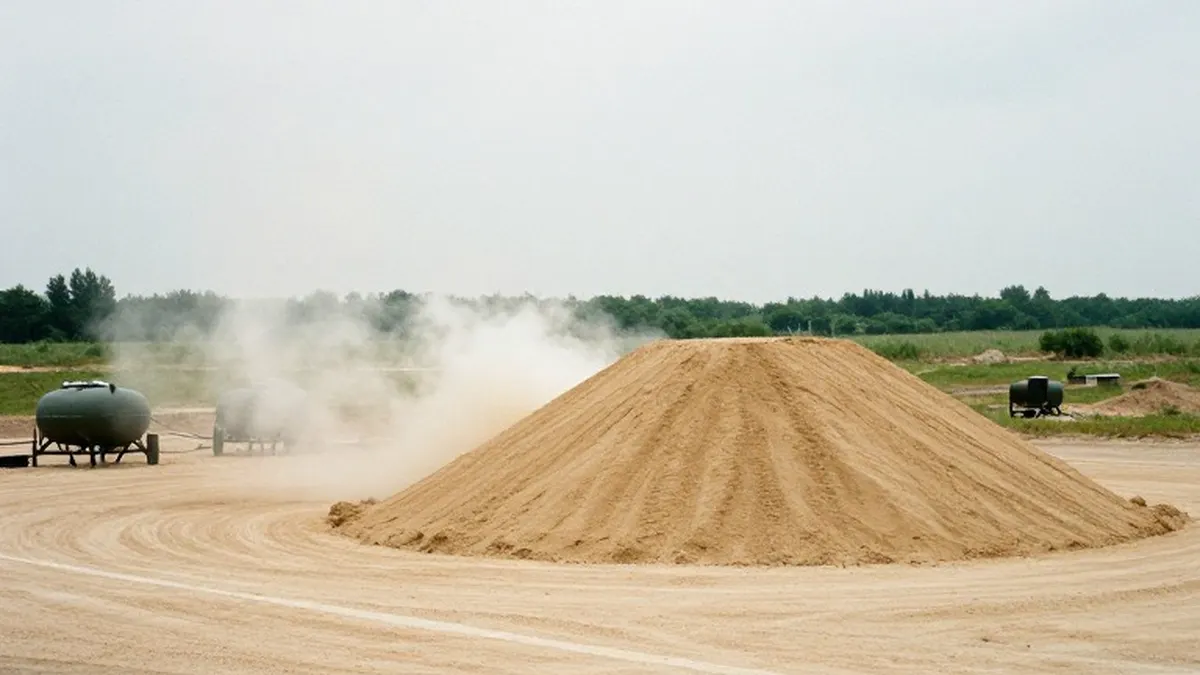
Outgoing Iowa Governor Kim Reynolds stated on Tuesday that she supports the U.S. Army's plan to detonate nearly five tons of lead-containing munitions in the state. The blast is scheduled for Wednesday morning at the Iowa Army Ammunition Plant in Middletown. This decision comes despite significant criticism from environmental groups and local residents who argue that the public was not given sufficient notice of the operation.
The detonation will proceed after a federal appeals court declined on Monday to issue an order halting the process. Environmental advocates contend that the event will expose thousands of families, livestock, and crops in surrounding areas to elevated levels of toxic dust. Reynolds emphasized that she takes seriously the Army's warning that a controlled detonation is necessary to prevent what the service describes as a potentially uncontrolled explosion.
In a statement posted to social media, Reynolds said she believes the danger is immediate based on the information provided to her. She expressed trust that the Army will do everything possible to protect affected individuals. The governor noted that she has spoken with several cabinet members and Army leadership in recent days, including Defense Secretary Pete Hegseth and acting Army Secretary Adam Telle. She has requested additional information to help the state prepare for the event and was assured that such data would be provided.
Iowa opened its State Emergency Operations Center last week to coordinate with federal officials. Reynolds described the safety of Iowans near the ammunition plant as her top priority. The plan involves destroying nearly 10,000 pounds of degraded lead azide. On November 15, the Army issued a public advisory stating that the detonation would result in a massive plume containing lead particles, though officials maintained it was the safest method to eliminate the hazard.
Public confusion and outrage grew after it was revealed that the Army had known about the degraded material since at least March. The service had previously canceled a contract to chemically dispose of the substance. The short notice and the Army's plans led environmental organizations to sue over the Environmental Protection Agency's emergency permit. The detonation date was moved from its original schedule to Monday and then to Wednesday.
President Trump intervened on Monday, placing the final decision on the detonation with the courts and incoming Governor Rob Sand. Sand quickly deferred to the federal government, stating that everyday Iowans are entitled to know how Middletown reached this situation. He added that residents need to learn why the administration believes this is the best path forward.
Iowa Senator Joni Ernst noted that while the Army began discussing disposal with some communities months ago, critical details regarding the potential lead plume were not included in those early conversations. Many neighboring communities were not involved in the initial talks and only learned of the potential plume last week. Ernst stated that Iowans deserved that information much sooner and that the military owes the public more transparency.
At a press conference on Tuesday, Army Colonel Aaron Teller, an explosives specialist, outlined the mitigation strategies for the blast. The Army will cover the lead azide with two stories' worth of sand, surround it with water tanks, and pour two feet of foam concentrate on top. These measures are designed to limit the amount of lead released into the air.
The last major disposal of lead azide took place in 1977 in Colorado, where approximately 7,000 pounds were detonated in open air without mitigation measures. In that instance, 25 percent of the lead particles entered the atmosphere. Teller said the Army believes the current strategy will significantly reduce that percentage. Lead is a toxic metal that can cause brain damage, nervous system issues, and learning problems, particularly in babies and children.
Officials did not answer questions about whether all mitigation measures were in place when the explosion was originally scheduled for Friday. The detonation remains set for Wednesday morning, with the Army aiming to safely eliminate the explosive safety hazard while minimizing environmental impact.
More News · National news · Report a business · Got a Story?