DOJ highlights contradiction in Boasberg's ruling to unseal Omar search warrant
Justice Department lawyers argue that a judge's decision to release documents from Rep. Ilhan Omar's home search contradicts his earlier ruling in the Trump election interference case.
By Evelyn Hassan ·
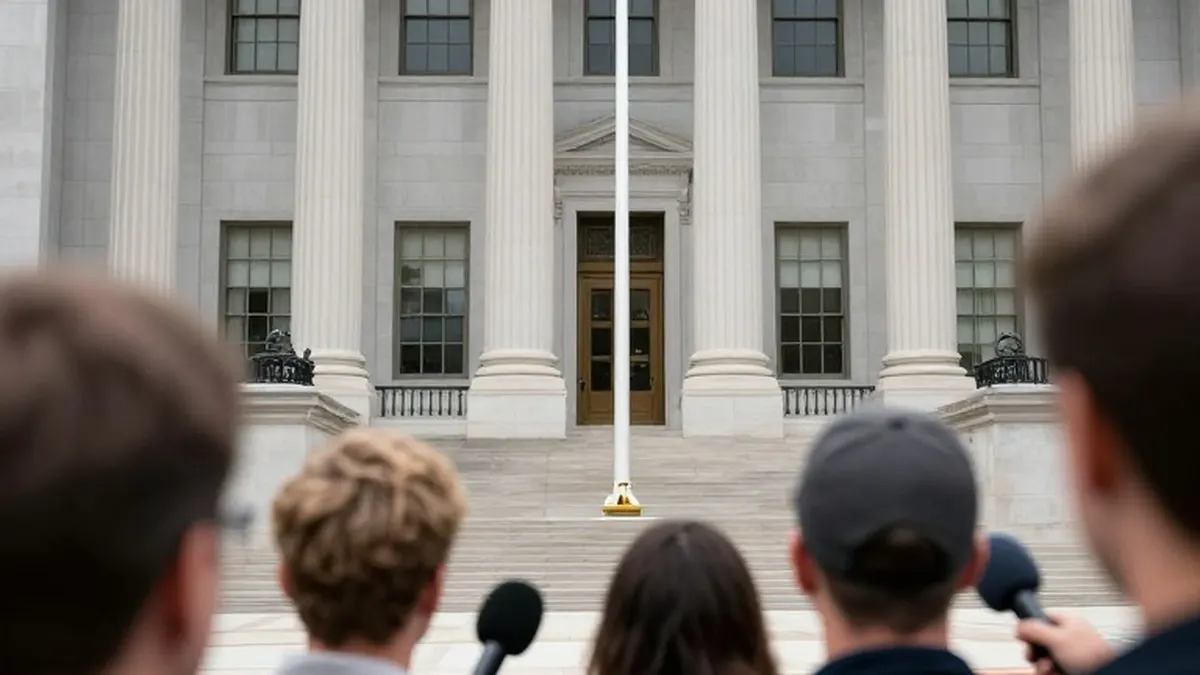
Lawyers for the U.S. Department of Justice have argued that a federal judge's decision to unseal documents related to the search of Rep. Ilhan Omar's home is inconsistent with a previous ruling made by the same magistrate in a high-profile case against President Donald Trump. The dispute centers on Judge James Boasberg, an Obama-appointed judge who has frequently clashed with the Trump administration, regarding the timing of when search warrant materials should become public.
In filings submitted to the court, DOJ attorneys requested that the materials remain sealed due to the ongoing nature of the investigation. They noted that the department had not yet finished executing the search warrant. Despite these objections, Boasberg ordered the redacted documents to be released last week. The materials were made public on Monday night, with the exception of the government's affidavit presented to a magistrate judge to secure the warrant, which remains sealed.
The DOJ referenced a specific precedent in an emergency brief, noting that Boasberg had previously ruled that search warrant proceedings should not be open to the public while an investigation is active. The department pointed out that this view was echoed by several other federal circuits, including the D.C. Circuit, the Ninth Circuit, and the Fourth Circuit. This prior ruling was issued in the context of Special Counsel Jack Smith's investigation into Trump for alleged election interference and the retention of classified documents.
In the Trump case, media organizations sought to unseal a warrant related to Twitter records associated with the president's account. The government asked Boasberg to keep the warrant sealed, citing the active status of the case. At that time, Trump had already been indicted, whereas Rep. Omar has not yet faced indictment. Boasberg agreed with the government, writing in a November 29, 2023 ruling that the need to protect an ongoing criminal investigation favored the government's request to continue sealing the documents.
Boasberg stated in that 2023 decision that the government has traditionally been able to restrict access to warrant materials by requesting a sealing order. He also addressed the First Amendment, suggesting that it does not automatically open search warrants to public examination when an investigation is ongoing. He described the press's bid for sensitive information at that time as premature.
In the current Omar case, government lawyers indicated they were not opposed to releasing the documents at a future date, but they argued against unsealing them while the case was still active. Boasberg did not find this argument compelling in the Omar matter, a stance that contrasts with his position in the Trump case. The DOJ confirmed in a statement that the characterization of the judge's apparent change in position is accurate and has been a point in their court filings.
The search of Omar's Washington, D.C., home took place in the early morning hours of October 12, 2026. Investigators are probing whether Omar or her father fraudulently filled out her citizenship paperwork. The full scope of the investigation remains limited, but the recently unsealed documents reveal that investigators are seeking evidence dating back as far as 1980. The materials indicate that investigators believe Omar committed crimes over decades, beginning long before her time in Congress.
The White House did not immediately respond to requests for comment on the judge's reversal. The District Court for the District of Columbia and the U.S. Attorney’s Office for the District of Columbia also declined to comment or did not return requests for comment.
More News · National news · Report a business · Got a Story?