Delta Flight Delays: Weight System Failure
A malfunction in an aircraft weight calculation tool caused over 1,000 delays across the network on Sunday.
By Eric Obasi ·
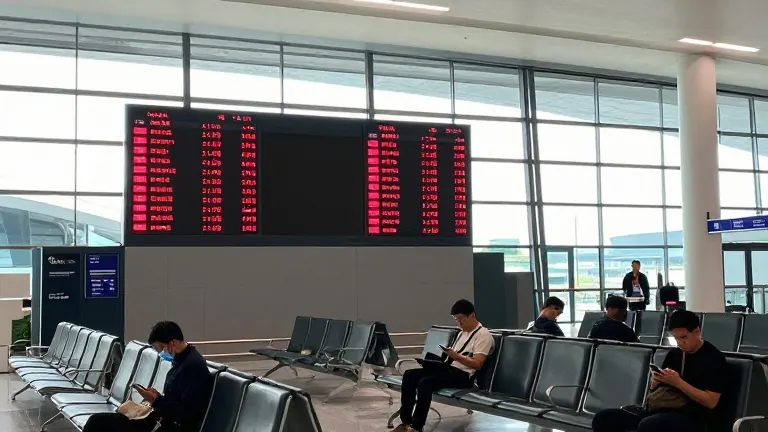
Delta Air Lines reported that a failure in an internal automation system left more than half of its flights delayed on Sunday afternoon. The issue affected the software that calculates aircraft weight to ensure planes do not exceed safe structural limits. The disruption hit during the peak Thanksgiving travel period, creating bottlenecks at major hubs and regional airports alike.
The problem began earlier in the day when the FAA issued a one-hour ground stop for some flights entering Hartsfield-Jackson Atlanta International Airport. Atlanta serves as Delta's largest hub. The agency later clarified on social media that the widespread delays were not caused by air traffic control systems. Instead, the delays stemmed from the airline's internal weight and balance software.
This incident follows a month of technical trouble in the aviation industry. Earlier this month, a malfunction in the FAA's network triggered the longest nationwide ground stop in 25 years. That stop lasted more than four hours. Days later, United Airlines experienced a separate system outage that forced delays for departing flights.
According to flight-tracking data from FlightAware, 67% of Delta's flights were delayed by mid-afternoon Sunday. That figure represented approximately 1,000 flights. The data showed that 54% of departures from Atlanta were late, while 50% of arrivals were delayed. Delta stated that 70% of the delays and cancellations were linked to the automation issue. The remaining 30% were attributed to inclement weather.
At BWI Marshall Airport in Maryland, the disruption was visible in both departures and arrivals. FlightAware listed four delayed Delta departures on Sunday evening. One flight to Atlanta was delayed by nearly six and a half hours. Another flight to Atlanta was canceled. Among arrivals, four flights were delayed, one was on time, and one from Atlanta was canceled.
Delta crews used manual workarounds to calculate weights while engineers worked to restore the automated system. The airline announced hours later that the system was functioning again, though operations had not fully returned to normal. By mid-afternoon, Delta confirmed that 2% of its flights had been canceled.
The airline began rebooking passengers and providing meals and hotel accommodations where necessary. Delta also offered refunds for canceled flights. The company apologized for the inconvenience as it continued to process the backlog of delayed travelers.