Man found guilty of starting Palisades Fire that killed 12
Jonathan Rinderknecht was convicted of arson after a second federal trial, with sentencing scheduled for March 2027.
By Evelyn Hassan ·
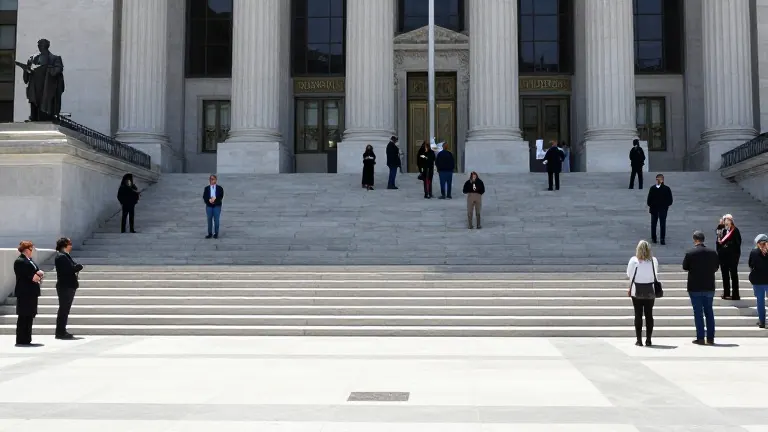
The verdict came down on a Friday morning in Los Angeles, closing the second federal trial for the man accused of igniting the Palisades Fire.
A federal jury returned guilty verdicts on both counts against Jonathan Rinderknecht, 30. He is charged with destruction of property by means of fire and arson. The first count covers the initial blaze, known as the Lachman Fire, which started on January 1, 2025. The second count covers the Palisades Fire that erupted on January 7, 2025. That second fire burned through neighborhoods in Los Angeles and Malibu and killed 12 people. It became one of the most destructive wildfires in California history.
Rinderknecht faced the charges after his first federal trial ended in a mistrial in June. During that first proceeding, the jury deadlocked 10 to 2 in favor of acquittal after two weeks of testimony. Prosecutors then filed a new indictment for the retrial. In doing so, they dropped a third charge related to timber set afire. They narrowed the scope of the destruction of property charge to focus solely on the January 1 blaze.
The defense team led by attorney Steve Haney said in a statement that they were disappointed in the verdict but respected the jury process. Haney noted that the jurors clearly gave the case a great deal of consideration after lengthy deliberation. He said the team would review all options regarding an appeal at the right time. Rinderknecht showed little visible reaction in the courtroom. He hugged his attorneys before leaving.
One juror, who identified himself only as Cameron, provided insight into the deliberations. Cameron said he was the only person on the panel who initially felt Rinderknecht was not guilty. Another juror was undecided, while the other ten believed he was guilty. Cameron said it took a lot for him to be convinced otherwise. He cited a lack of information about a technical review conducted by a defense expert witness. That expert had argued the government had identified the fire's origin area incorrectly.
Cameron stated that Rinderknecht's own testimony was the strongest evidence pointing to a guilty verdict. The juror recalled the defendant stating he was up on the hill, did not smell a fire, and did not see fireworks. Cameron noted that no one else was on the hill that night. This testimony contradicted the defense's earlier positions.
Prosecutors presented a tightly organized case in this second trial. They focused on digital forensic data, expert testimony, and Rinderknecht's state of mind in the hours before the fire. They moved away from the previous theory that the crime was motivated by societal revenge against the rich. Instead, Assistant U.S. Attorney Mark Williams described Rinderknecht as being mad at everything and frustrated. Evidence included photographs showing his car parked at the base of a trail leading to the fire's origin. Cellphone tower data tracked his movement on the hill. Fire detection camera images established the time window the blaze ignited. Experts eliminated other sources of ignition, including fireworks.
Rinderknecht called 911 more than a dozen times as he walked down the hill after the fire began. He screen-recorded the calls on his phone. During one call, he asked the AI chatbot ChatGPT if he was at fault if a fire was lit because of his cigarettes. Prosecutors said these actions were part of an alibi he was trying to create. They also presented testimony on how fire investigators determined the Palisades Fire was a holdover from the initial blaze Rinderknecht sparked.
The defense argued that the fire scene could have been compromised because the area was publicly accessible until the Palisades Fire started. Haney called a retired U.S. Forest Service fire investigator who argued the origin area was different from the government's conclusion. He pointed to missing cell data records and a neighbor's testimony that teenagers ran away from the trailhead. Haney told jurors to disregard character evidence, such as angry text messages, calling it evidence of the man rather than the act. He proposed fireworks as an alternate ignition source, citing witnesses who heard a loud bang. Prosecutors countered that none of the thousands of camera images from that evening showed fireworks in the sky above the hill.
Rinderknecht is set to be sentenced on March 17, 2027. Each count carries a mandatory minimum of five years and a maximum of 20 years in federal prison.